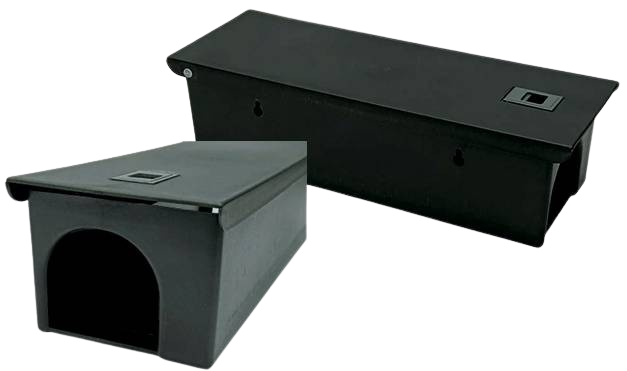
Rat Bait Station
Using a Rat Bait Station in poultry farms is an essential part of rodent control to protect poultry, feed, and equipment. Rodents can cause significant damage by contaminating feed, spreading diseases, and damaging infrastructure.
Reusable Stations: Can be refilled with bait as needed.
Reusable Stations: Can be refilled with bait as needed.
Key Features
- Disease Control: Reduces the risk of diseases like Salmonella, E. coli, and Avian Influenza carried by rodents.
- Feed Protection: Prevents feed contamination and wastage caused by rodent activity.
- Infrastructure Protection: Protects electrical wiring, insulation, and other structures from rodent damage.
- Environmentally Safe: Tamper-resistant bait stations ensure the poison is not accessible to poultry or non-target animals.
- Along walls, near feed storage areas, under feeders, or where rodent activity is visible (e.g., droppings, tracks).
- Near rodent entry points like cracks, doors, or drains.
- Position bait stations every 20–40 feet depending on the level of infestation.
- Use anticoagulant rodenticides (like bromadiolone or difenacoum) commonly used for farms.
- Ensure the bait is secured inside the station to prevent spillage.
Benefits
- 1. Check stations regularly (weekly during high activity, monthly otherwise).
- 2. Replace spoiled or consumed bait.
- 3. Clean and inspect stations for damage to ensure continued effectiveness.
- 1. Tamper-Resistant Design: Prevents access by non-target animals or children.
- 2. Durable Material: Made of weather-resistant plastic for outdoor and indoor use.
- 3. Lockable Lid: Requires a special key for opening, ensuring safety.
- 4. Multiple Entry Points: Designed for rats to enter, consume the bait, and exit.
- 5. Bait Securing Mechanism: Holds the bait in place, preventing spillage.